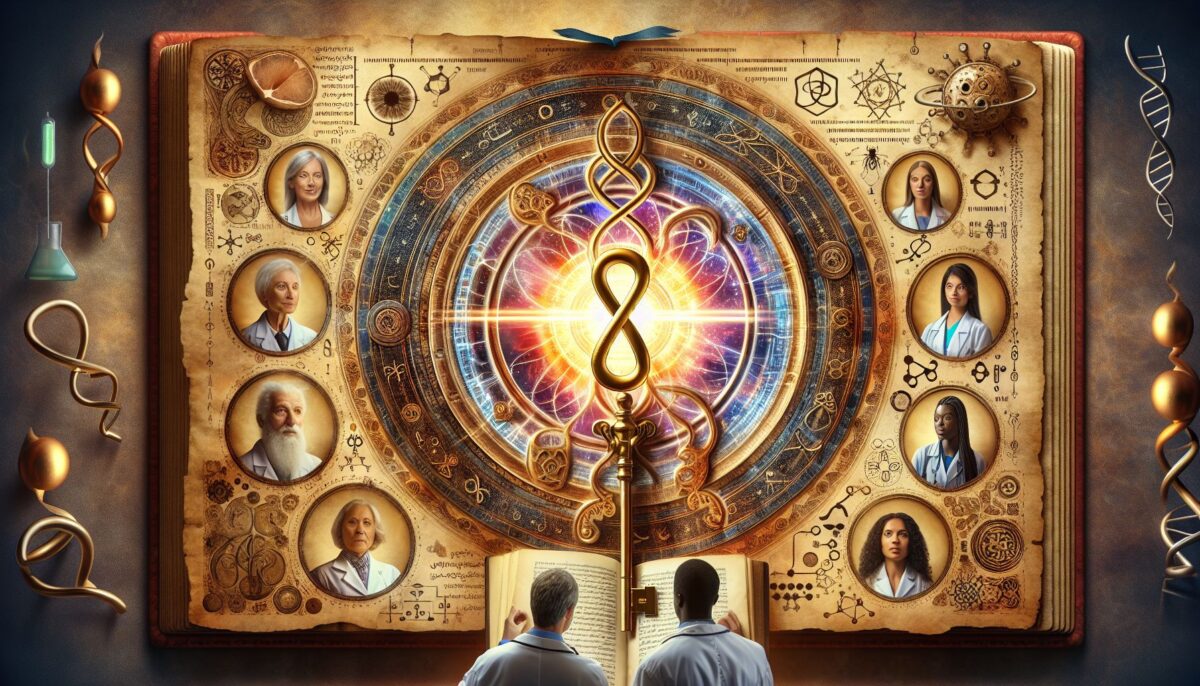
Welcome, fellow tech enthusiasts! Today, I want to dig into a topic that has as much to do with our dreams of immortality as it does with the cutting-edge innovation reshaping our world: longevity. Yep, I’m talking about the quest to make those luscious locks stay black, the knees stay springy, and the brain… well, not forget where you left the keys every morning!
A Little Background
The longevity industry is like the cool new kid on the block that’s drawing all the attention. Just a few years back, if you mentioned “anti-aging technology,” folks would assume you’re on your way to a plastic surgeon for a facelift. But now, the conversation isn’t just about looking younger, it’s about actually staying younger—biologically at least.
In 2023, thanks to major advancements in biotechnology, artificial intelligence, and even nanotech, we’re standing on the brink of a life-extended future. Companies like Calico Labs—yep, that secretive startup backed by Google-parent Alphabet—or Unity Biotechnology are feverishly working on aging more like it’s software to be debugged than an unavoidable fate. And honestly, isn’t that the kind of everyone-wins scenario we dare to dream of?
The Science of Aging: Where Are We Now?
At the core, aging is a deeply complex biological puzzle waiting to be cracked. Our cells undergo numerous changes over time—DNA damage, telomere shortening, and an adorable little process called cellular senescence. Think of senescence like a zombie apocalypse inside your body, leading to the deterioration of function across your organs.
But with tools like CRISPR, scientists can now edit our genetic code, effectively rewriting our body’s blueprint to prevent these changes. It’s a bit like deciding not to put up with subpar product lifespan in your iPhone; no more planned obsolescence!
AI-Powered Longevity: The Lab Manager of the Future
One of the unsung heroes of this emerging frontier is artificial intelligence. You knew it would make an appearance, right? AI’s true strength in the longevity industry lies in its ability to process and analyze mountains of biological data—in ways much faster and more accurately than traditional methods.
In labs by companies like Insilico Medicine, AI is used to comb through genetic data, attempting to identify patterns and potential targets for life-extension drugs. It’s like having an ultra-nerdy Watson from “Sherlock Holmes” on speed dial, without the sarcasm but with a whole load more data-crunching muscle.
The Promise and the Perils
All this tech talk sounds incredibly promising, almost too sci-fi-perfect. But, let’s pump the brakes for a second. The longevity revolution is not without its fair share of challenges. Skepticism exists over the ethical implications (how long should we live?), economic factors (will this create a wider wealth-health gap?), and of course, the uncertainties over how far we should tinker with human biology.
Even Elon Musk—who’s busy plotting our Martian Exodus—warns of tech’s unchecked power. The guy is a genius, but even he prefers to hedge his bets when it comes to messing with the human body’s inner workings.
The Future: Speculations and What-ifs
Let’s play Nostradamus for a moment. Imagine a not-so-distant future where a 90-year-old jogs daily with the vigor of a 30-year-old. Family reunions where three or four generations actually enjoy, rather than endure, each other’s company. Jobs and retirement plans could shift too—we might look at working until we’re 90, then taking a well-deserved “early” retirement.
The longevity revolution might change the very fabric of our society in ways we can’t even yet chart. What we do know is that the quest for extending our healthy years is in full swing, and as adventurous tech enthusiasts, aren’t we duty-bound to support the best of what humanity can offer?
Conclusion: To Infinity and Beyond… Or At Least, A Little Longer
In this adventure begun by geneticists, AI wizards, and biotech gurus, we’re explorers treading uncharted territory. As we hurtle along the curve of this longevity trajectory, our compass isn’t just advancing years—it’s improving their quality.
Sure, aging is the oldest problem in the book, yet it’s precisely these bold solutions—emerging technologies—that make the crossing of centuries feel within our grasp. So, here’s to the remarkable misadventures of bionic hearts and AI diagnostics; to a tech frontier that dares to add not just years to our lives, but life to our years.
That’s it, folks! Let me know what you think. Would you sign up for another century or two of life? Or do you suspect there’s such a thing as too much of a good thing? Until next time, stay youthful and curious!
Related: The Rise of AI in Creative Arts: A Digital Renaissance
